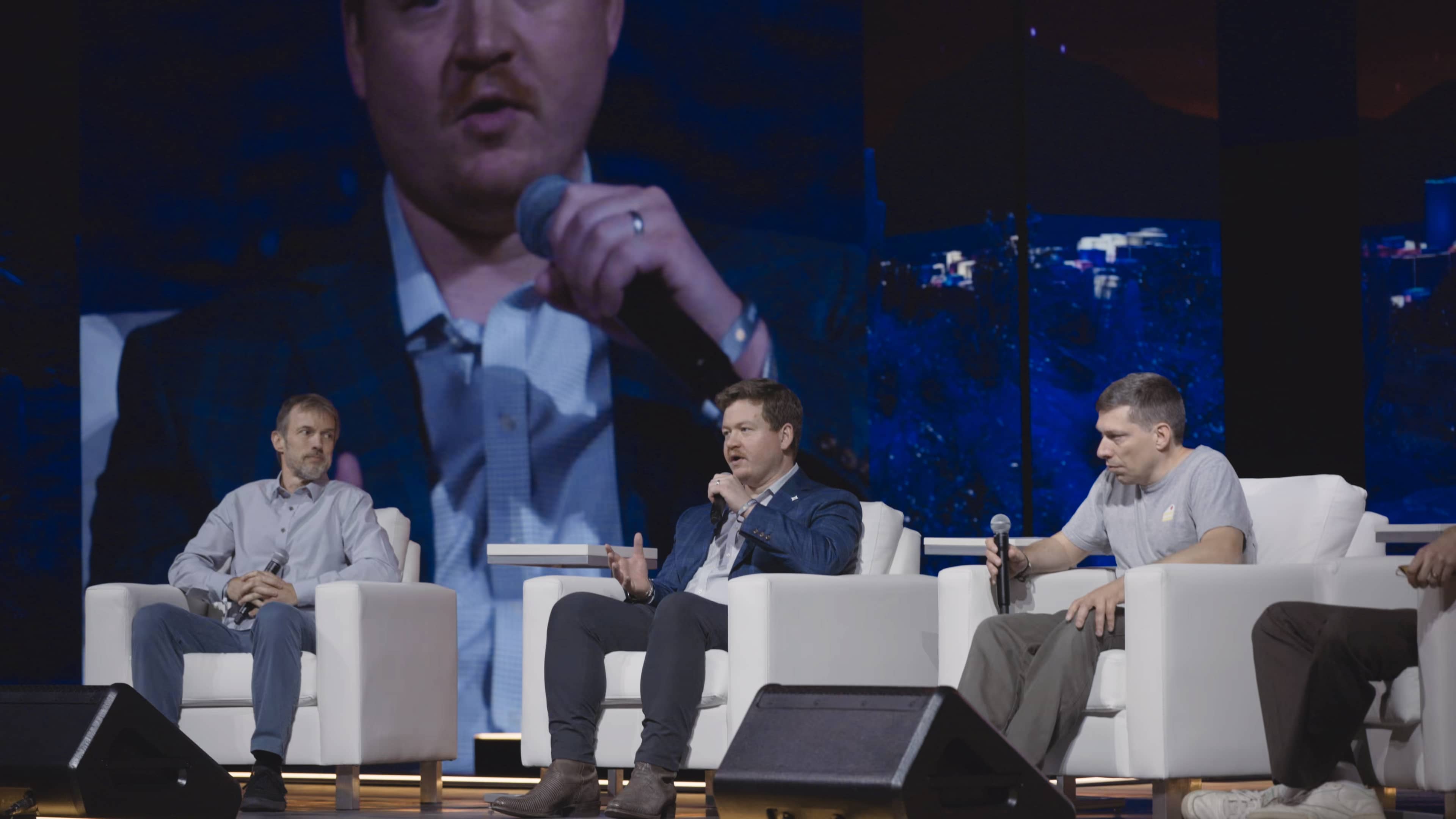
Corporate Events

Blog Tag
This tag is the craft side of the work. Gear philosophy, editing decisions, how a run-of-show becomes a movement plan, why certain frames earn their place in a final gallery and others don’t, the stuff that usually lives in a photographer’s head between shoots and never makes it into a blog post. RDNZ Media’s Behind the Lens hub is where I write it down.
I’m Richard Nunez, and RDNZ Media is the Las Vegas corporate event photography and videography business I’ve built around a simple idea: the camera is the last thing in the room anyone should be thinking about, and the photographer’s job is to make sure that stays true. Everything behind the lens (the gear, the prep, the scouting, the editing bay at 11pm after the event wraps) exists so that on shoot day I can be fully inside the run-of-show instead of fighting my own workflow.
The posts collected under this tag are working notes. How I scout a venue the day before an event. What I’m thinking about during a keynote I’ve never shot before. Why I cull a gallery down hard instead of delivering everything. How a tight client brief changes every decision I make on the floor. How we plan same-day photo selects when they are included in your package or booked as an add-on. If you’re a marketing lead hiring a photographer for the first time, or a producer trying to understand what separates working event coverage from documentary-style filler, this is the hub to read.
The craft isn’t mysterious. It’s the sum of small decisions made on a deadline. Browse the articles below, and reach out if you want to talk about a project.
Corporate Events
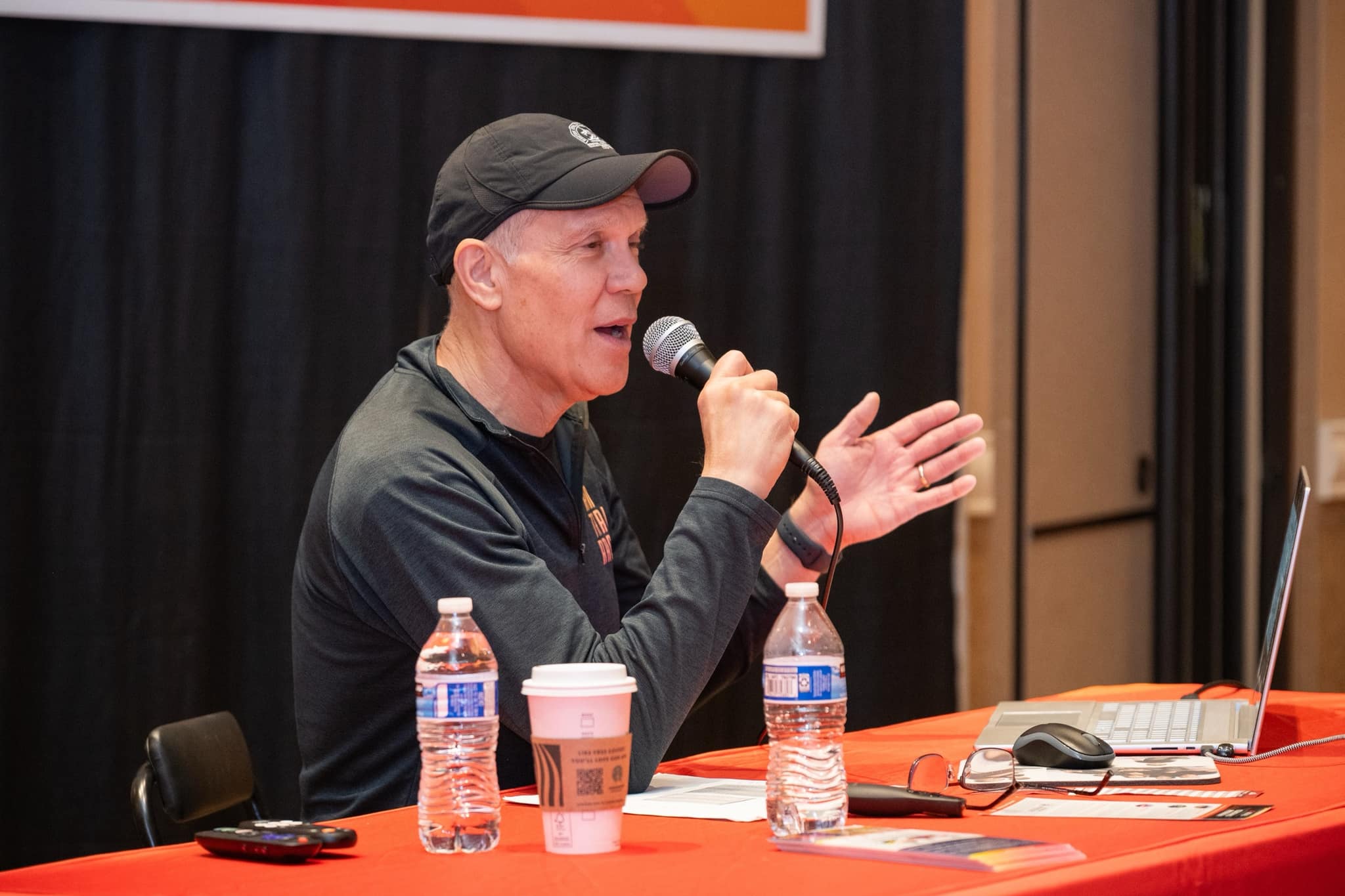
Corporate Events
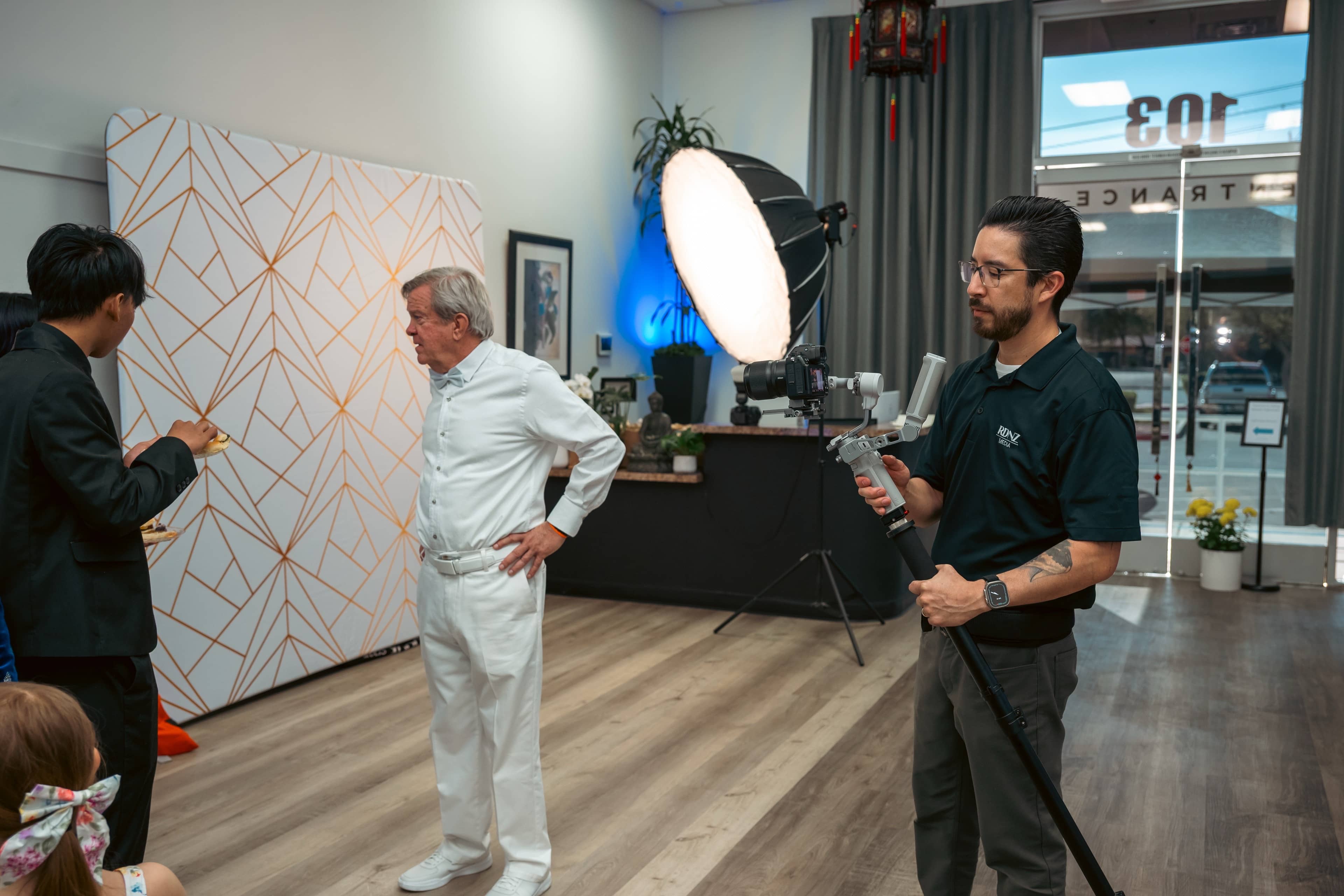
Corporate Events
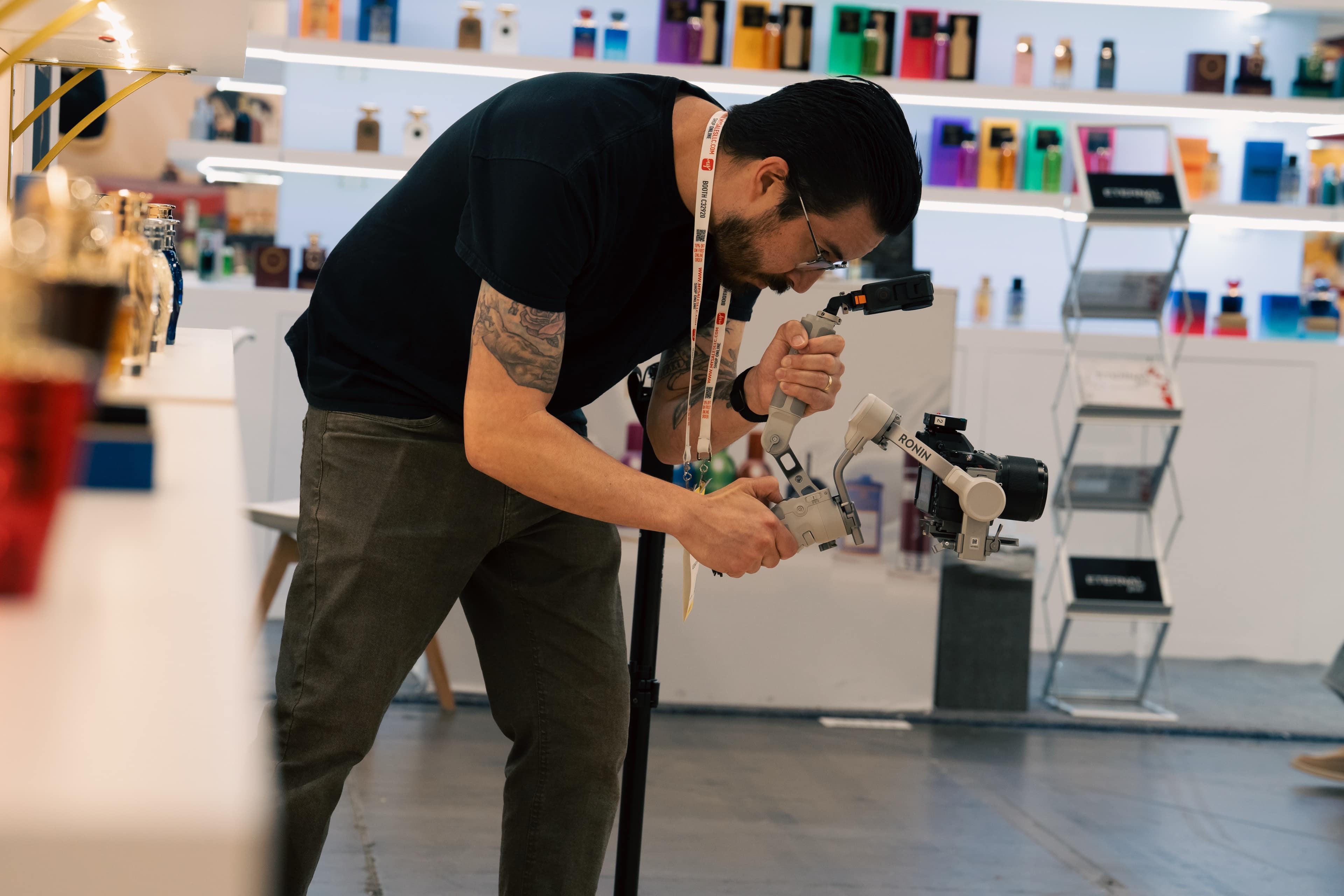
Corporate Events
Gear follows the job, not the other way around. For keynote and stage coverage I lean on fast primes and telephoto zooms with silent shutter bodies: the camera should never be the thing your audience notices. For networking and candid work I switch to a lighter rig that stays out of people's peripheral vision. Backup bodies, backup cards, backup batteries, always. I've never lost a shoot to equipment failure and I don't intend to start. The tech is invisible when it's working; the frame is what matters.
Full edited photo galleries arrive within one to two weeks. Same-day photo selects are included in Photo + Video Event Media and available for Standard photography coverage, subject to availability, at $600 day one and $400 each additional day. The typical target is 20–30 curated images, not a guaranteed count. Multi-day delivery schedules are agreed in the proposal.
Both, depending on what the brief actually needs. Corporate events live mostly in a photojournalistic mode: reading the room, catching the real moments, never forcing a scene that wouldn't have happened on its own. Staged frames earn their place when you need specific hero imagery for the recap deck, a posed executive portrait between sessions, or a product detail shot with controlled lighting. The best event galleries mix both and the client's marketing team can't always tell which is which.
It shapes everything. Before any event I want to know what the images are for: LinkedIn, trade pub, sales deck, internal recap, paid creative. Who the VIPs are. What branded moments have to be captured no matter what. What the run-of-show looks like. A photographer who doesn't ask is just hoping the shoot aligns with whatever you needed, and hope isn't a plan. A good brief means every frame I take on the floor has a purpose your team already defined.