
Conference vs Trade Show vs Expo: What's the Difference (and Why Photography Coverage Differs)
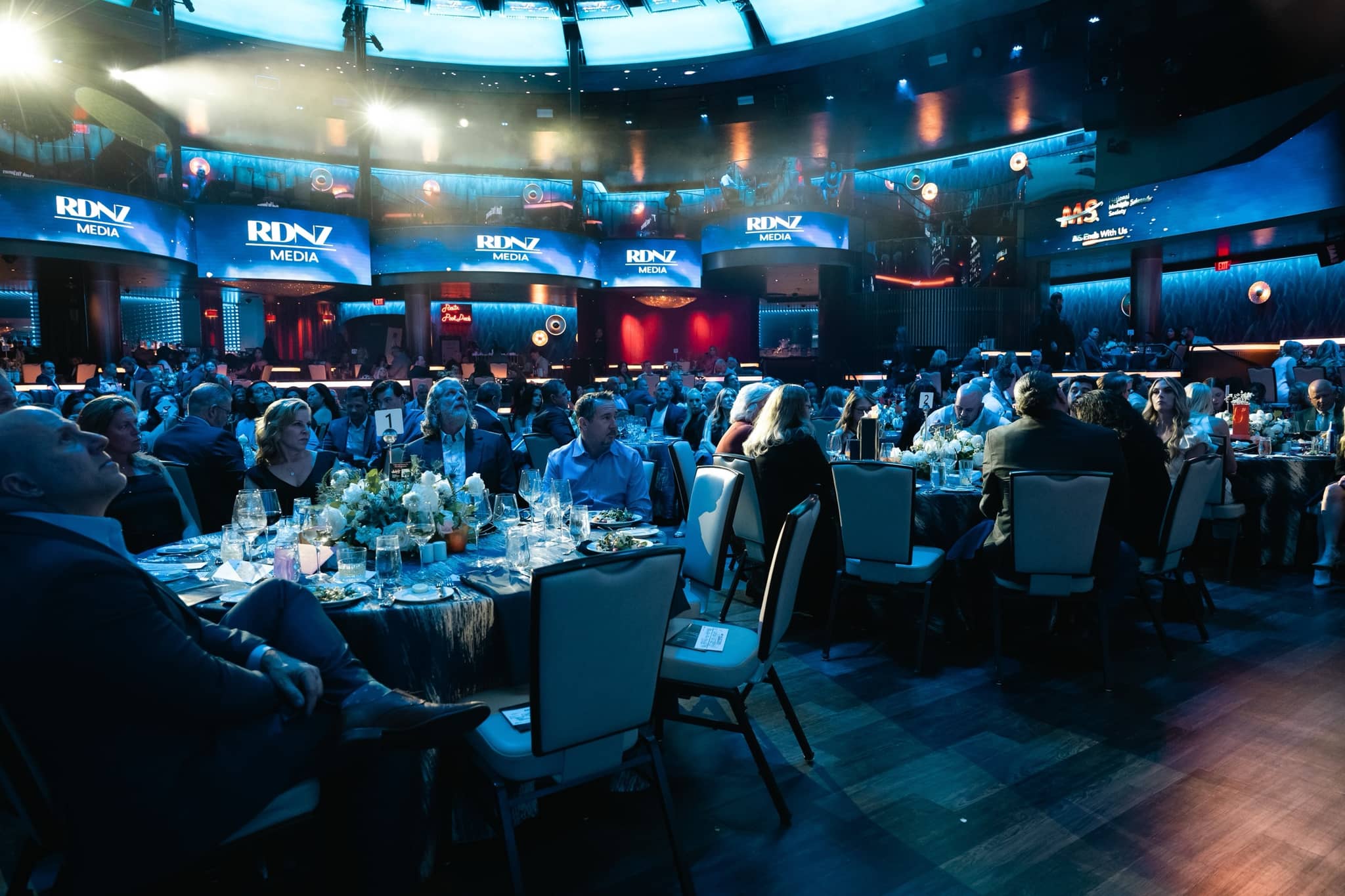
After 10+ years shooting events across Las Vegas, I can tell you that “conference,” “trade show,” and “expo” get used interchangeably all the time, and it creates real confusion. These three terms describe fundamentally different event formats, and the photography coverage each one demands is just as distinct. Understanding these differences before you book a photographer will save you money and get you better content.
What Is a Conference?
A conference is an educational event built around presentations, panel discussions, keynote speakers, and networking. The primary goal is knowledge sharing: attendees come to learn from industry experts, participate in workshops, and connect with peers. Conferences typically run one to three days and follow a structured agenda with scheduled sessions in multiple rooms.
From a photography standpoint, conferences are all about capturing speakers in action, audience reactions during compelling moments, and the energy of breakout sessions. The best conference photos show engagement – a room leaning in during a keynote, a panel of experts mid-discussion, attendees exchanging ideas during a networking break.
In Las Vegas, I’ve shot conferences at the Wynn, the Bellagio, and the Aria, where ballroom lighting and stage design vary significantly. NAB Show is a prime example of a Las Vegas conference that also includes exhibition elements, which is why event types often blur in practice. The key is understanding what your conference prioritizes so your photographer can plan accordingly.
If you’re organizing a conference and need coverage that captures the speaker experience and audience engagement, take a look at our conference photography service for details on how we approach these events.
What Is a Trade Show?
A trade show is a marketplace. Exhibitors rent booth space to showcase their products or services, and attendees walk the floor as potential buyers, partners, or media. The energy on a trade show floor is commercial: booth staff are pitching, demonstrating products, scanning badges, and building relationships.
Trade show photography is fundamentally different from conference photography. Instead of speakers on stage, you’re capturing booth design and branding, product demonstrations, attendee interactions at displays, and the overall foot traffic that tells the story of the event’s scale and momentum.
The Las Vegas Convention Center is the epicenter of trade show activity in the city. SEMA draws automotive aftermarket exhibitors by the thousands, and CES transforms the LVCC and multiple satellite venues into a massive technology marketplace. At the Mandalay Bay Convention Center, trade shows tend to feature more specialized industries with detailed product displays that need close-up documentation.
Trade show photography often spans multiple days because exhibitors want coverage of different audience waves – day one foot traffic looks different from the final afternoon. I typically recommend 2-4 hours per day for booth-focused coverage, with a full-day option for exhibitors who want comprehensive documentation of their presence. The content you capture at a trade show has a long shelf life: booth photos show up in next year’s exhibitor applications, product shots fuel marketing campaigns for months, and team photos build your company’s culture presence online.
Learn more about how we approach this type of coverage on our trade show photography service page.
What Is an Expo?
An expo – short for exposition – is typically a large-scale public or semi-public event that combines exhibition, demonstration, and often entertainment elements. Expos tend to be bigger and broader in scope than trade shows, with more emphasis on experiential activations, immersive displays, and attendee participation.
Photography at an expo requires a wider lens, both literally and figuratively. You need environmental shots that capture the sheer scale of the event, close-ups of interactive experiences, crowd documentation that conveys energy and attendance, and detailed shots of standout activations. The visual storytelling at an expo is about the experience itself, not just the products on display.
CES is a perfect example: while it has trade show elements with individual booths, the overall experience is closer to an expo with massive brand activations, keynote presentations, outdoor displays, and attendee experiences that span the entire Las Vegas Convention District. Coverage for a multi-day expo like CES can require a full-day photographer for three to four consecutive days.
For events with this kind of scale and variety, our expo photography service details how we structure coverage to capture every dimension.
How Photography Coverage Differs Across Event Types
Here’s a practical breakdown of what changes based on event type:
- Conference coverage prioritizes speakers, panels, audience engagement, networking moments, and breakout session activity. Expect tighter framing, stage lighting work, and candid captures during session transitions.
- Trade show coverage prioritizes booth displays, product demonstrations, exhibitor-attendee interactions, and floor traffic scale. Expect more movement, wider shots, and multi-day scheduling.
- Expo coverage requires all of the above plus environmental scale shots, experiential activation documentation, crowd energy captures, and often outdoor or unconventional venue settings.
The equipment needs differ too. Conferences often require longer lenses for shooting speakers from the back of a ballroom. Trade shows demand fast wide-angle work in tight booth spaces. Expos need both, plus the flexibility to move quickly between indoor halls and outdoor installations.
Turnaround expectations also vary. Conference organizers often want same-day social media selects to post while sessions are still fresh. Trade show exhibitors might need end-of-day recaps to share with their sales teams. Expo clients tend to have longer timelines since the content is used for post-event marketing campaigns and annual reports rather than real-time promotion.
Booth Photography at Any Event Type
One thing that cuts across all three formats: if you have a booth, you need booth-specific photography regardless of whether you’re at a conference, trade show, or expo. Booth photography captures your brand’s physical presence, your team in action, and the interactions that justify your investment in exhibiting.
Even at a conference with a small sponsor booth, dedicated booth coverage ensures you walk away with content that shows your brand actively engaging with attendees. Our booth photography service covers how we approach this for any event format.
Choosing the Right Coverage for Your Event
The first step is being honest about what type of event you’re actually producing or attending. A “conference” with a large exhibit hall is really a hybrid event that needs both conference and trade show coverage approaches. A “trade show” with keynote presentations needs some conference-style shooting mixed in.
When you reach out to a photographer, describe the event format in detail rather than just using a label. Tell them about the venue, the agenda structure, whether you have a booth, and what content you need to walk away with. That conversation determines the right package size and approach.
In Las Vegas, many of the biggest events blend all three formats under one roof. NAB Show has conference keynotes, a massive trade show floor, and expo-style activations happening simultaneously. CES spans the entire convention district with elements of all three. The best approach for hybrid events is to discuss each component separately with your photographer so coverage is allocated where it matters most for your specific goals.
Planning your photography budget? See our 2026 pricing guide for transparent rates on every coverage tier, or go straight to the current rate card. If you’re exhibiting at a trade show, grab our exhibitor photography checklist to make sure you’re prepared. All three formats fall under our corporate event photography work, and when you know your dates, get in touch for a coverage plan.
Frequently Asked Questions
A conference focuses on presentations, panels, and educational sessions where attendees learn from speakers. A trade show is a marketplace where exhibitors showcase products or services to potential buyers. Photography at conferences emphasizes speakers and audience engagement, while trade show photography focuses on booth displays, product demos, and attendee interactions.
Expos tend to be larger-scale public events with a mix of exhibitions, demonstrations, and entertainment. Photography coverage for expos requires more wide-angle environmental shots, attendee crowd documentation, and activation/experience photography compared to the booth-focused approach at trade shows.
Not necessarily, but you need a photographer who understands the differences. An experienced event photographer adapts their approach -- shooting keynotes differently than booth traffic, for example. Ask to see portfolio samples from the specific event type you're planning.
Most single-day conferences need 4-8 hours of coverage. Trade shows with a booth presence typically need 2-4 hours per day across multiple days. Large expos like CES may need a full-day photographer for 3-4 days.