
Trade Show Exhibitor Photography Checklist: What to Capture Before, During & After the Event
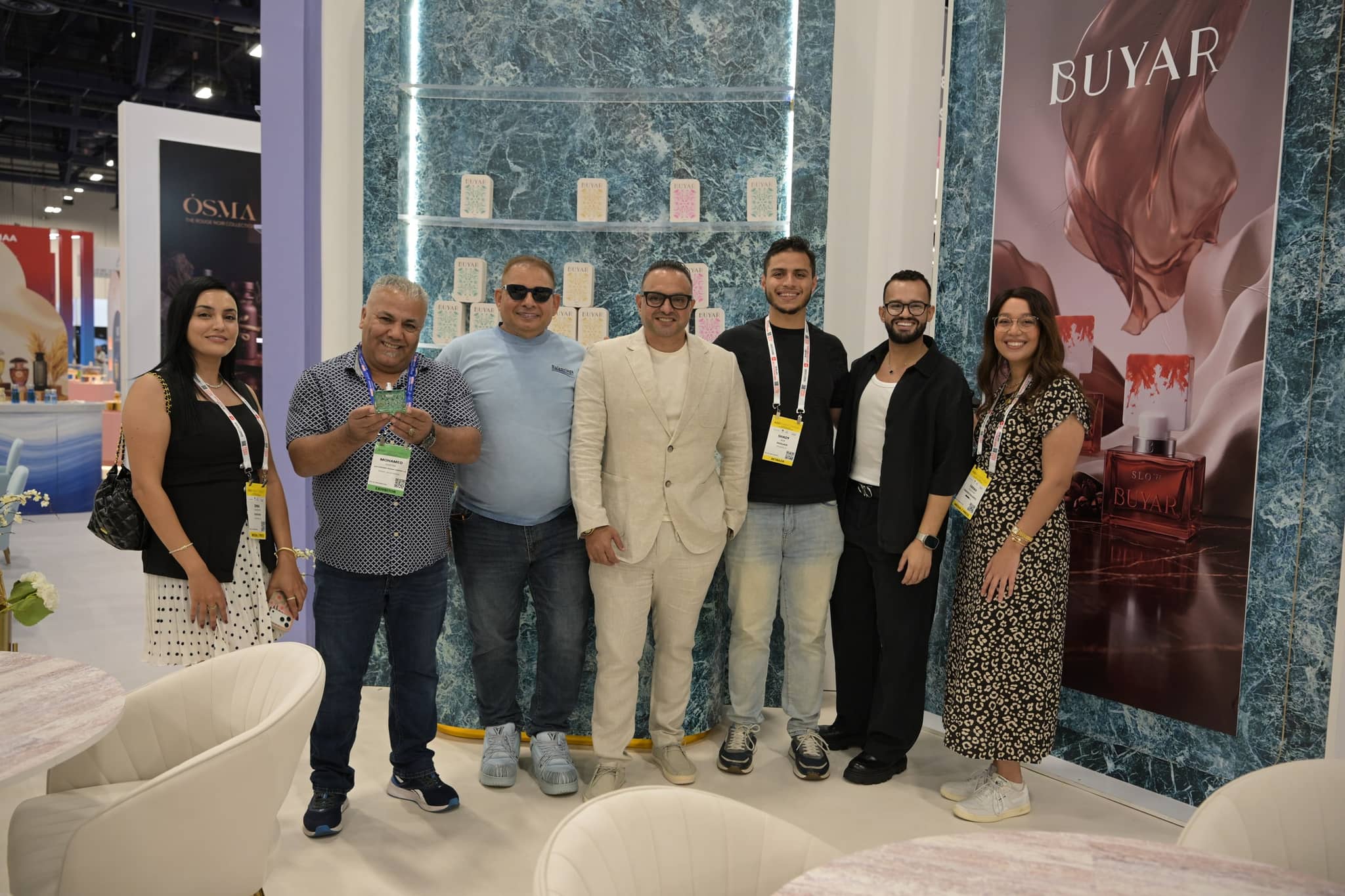
If you’ve ever walked away from a trade show with a phone full of blurry booth photos and nothing usable for your marketing team, you’re not alone. In my years shooting trade show exhibitor coverage at events like CES, SEMA, and NAB Show across venues like the Las Vegas Convention Center, Mandalay Bay Convention Center, and the Wynn, I’ve learned that the difference between forgettable event photos and images that actually drive ROI comes down to planning. This checklist is what I walk through with every exhibitor client before we set foot on the show floor.
Whether you’re a first-time exhibitor or a seasoned trade show veteran, having a shot list ensures nothing falls through the cracks. And when you’re investing thousands in booth space, staffing, and travel, the photography should be working just as hard as everything else.
Before the Show: Pre-Event Preparation
The best trade show photography starts days before the doors open. Here’s what to capture and coordinate before the event kicks off.
Booth Setup Documentation
Your booth build is a story in itself. Time-lapse-style progression shots of your booth going from bare pipes and drape to a fully branded space make excellent social content. I always arrive during setup day to capture the transformation. These behind-the-scenes images humanize your brand and give your audience a sense of the effort that goes into your trade show presence.
Branding and Signage Shots
Before the crowds arrive and before anything gets scuffed or shifted, capture clean shots of your booth signage, banners, product displays, and branded materials. I shoot these from multiple angles: straight-on for web headers, detail close-ups for social media, and a three-quarter angle that shows depth and dimension. These pristine images are the ones your design team will want for next year’s booth planning and for your website portfolio. They’re also invaluable for sponsorship recaps and post-event reports to stakeholders who weren’t on-site.
Team Headshots and Group Photos
Setup day is the only time your team will be standing still long enough for a proper photo. I always schedule 15 minutes for individual headshots and a group shot in front of the completed booth. These photos serve double duty for LinkedIn profiles, company about pages, and press materials.
Pre-Event Consultation
A quick walkthrough of the venue and your booth location helps me plan angles, lighting setups, and identify any challenges. At the LVCC, for example, certain halls have dramatically different ceiling heights and lighting conditions. Knowing this in advance means I show up with the right gear and a plan, not guesswork.
During the Show: Capturing the Action
This is where the real value lives. The show floor is unpredictable, fast-paced, and full of moments that disappear in seconds.
Attendee Engagement at Your Booth
The single most valuable category of trade show photos is people engaging with your product or team. These images prove that real humans are interested in what you’re offering. I focus on natural interactions: a prospect leaning in to hear a demo, someone picking up your product, a handshake after a conversation. These are the images that end up in sales decks and case studies.
Product Demos and Live Presentations
If your team is running scheduled demos, I’ll be positioned to capture the presenter, the audience reaction, and close-ups of the product in action. At SEMA, I’ve shot everything from live vehicle wraps to interactive tech demonstrations. The key is anticipating the peak moment and being in position before it happens.
Candid Networking Moments
Some of the best trade show photography happens between the scripted moments. Quick conversations in the aisle, laughter over coffee, your CEO shaking hands with a potential partner. I keep a longer lens handy specifically for these moments so I can capture genuine expressions without people noticing the camera. These candid shots capture the energy and relationship-building that makes trade shows worth attending, and they perform incredibly well on LinkedIn and in company newsletters.
Wide Shots of Booth Traffic
Pull back periodically to capture the flow of traffic around your booth. These wide-angle shots establish scale and context. They show your leadership team that the booth was busy, and they give your marketing team dramatic images for social media and annual reports. At venues like Mandalay Bay, the sheer scale of the convention floor makes these wide shots particularly impressive.
Competitor and Industry Context
While I’m not shooting your competitors’ proprietary materials, a few tasteful wide shots of the surrounding show floor give context to your booth’s position in the event. These are useful for internal post-show reports and future booth placement decisions.
After the Show: Wrapping Up Right
The event doesn’t end when the last attendee walks out. There are still a few shots worth capturing.
Final Booth State
Before teardown begins, grab a last round of clean booth shots. After three days of a show, your booth will look lived-in, and that’s fine. But one final set of images with everything still in place gives you a complete visual record of your investment. I’ve had clients use these end-of-show photos to compare booth wear-and-tear year over year, which helps their exhibit houses make smarter material choices for future builds.
Breakdown Documentation
This is optional but valuable for logistics teams. Documenting how the booth comes apart helps with planning next year’s setup and can flag any damage for insurance purposes. If you’re shipping your booth display to the next event, a quick video walk-around of everything packed and labeled can save your logistics coordinator serious headaches down the road.
Deliverable Turnaround Expectations
I typically deliver a full edited gallery within one to two weeks after the event, with same-day selects included in Photo + Video Event Media, or available as an add-on to Standard Event Coverage for teams that need to post in-show. Fast turnaround matters because trade show content has a shelf life. The sooner you post, the more engagement you’ll see from attendees who are still thinking about the event.
What Your Photos Should Be Used For
Capturing great photos is only half the equation. Here’s how to put them to work across your marketing channels.
Social media: Post highlights during and immediately after the event. Tag the event, the venue, and any partners you connected with. Trade show content consistently outperforms generic brand posts because it’s timely and real.
Sales decks and proposals: Swap out stock photos for real images of your team engaging with prospects. Nothing builds credibility faster than proof that you show up and connect with your market in person.
Next year’s booth design: Your photographer’s images become reference material for your exhibit designer. What worked visually? What needs improvement? The photos tell the story.
Website and portfolio: Feature your trade show presence on your website to demonstrate industry involvement. For ideas on maximizing your visual content, check out our guide on content marketing strategies for repurposing professional photos.
Ready to Check Every Box at Your Next Trade Show?
A photography checklist is only as good as the photographer executing it. If you’re exhibiting at an upcoming Las Vegas trade show and want coverage that goes beyond point-and-shoot documentation, I’d love to talk through your goals. Take a look at our trade show photography service to see how we approach exhibitor coverage, part of our wider corporate event photography work in Las Vegas. For a breakdown of typical rates, see our Las Vegas event photography pricing guide or the current rate card, then tell us about your show to get a quote.
Every booth tells a story. Let’s make sure yours is captured the right way.