
What to Look for When Hiring a Las Vegas Conference Photographer
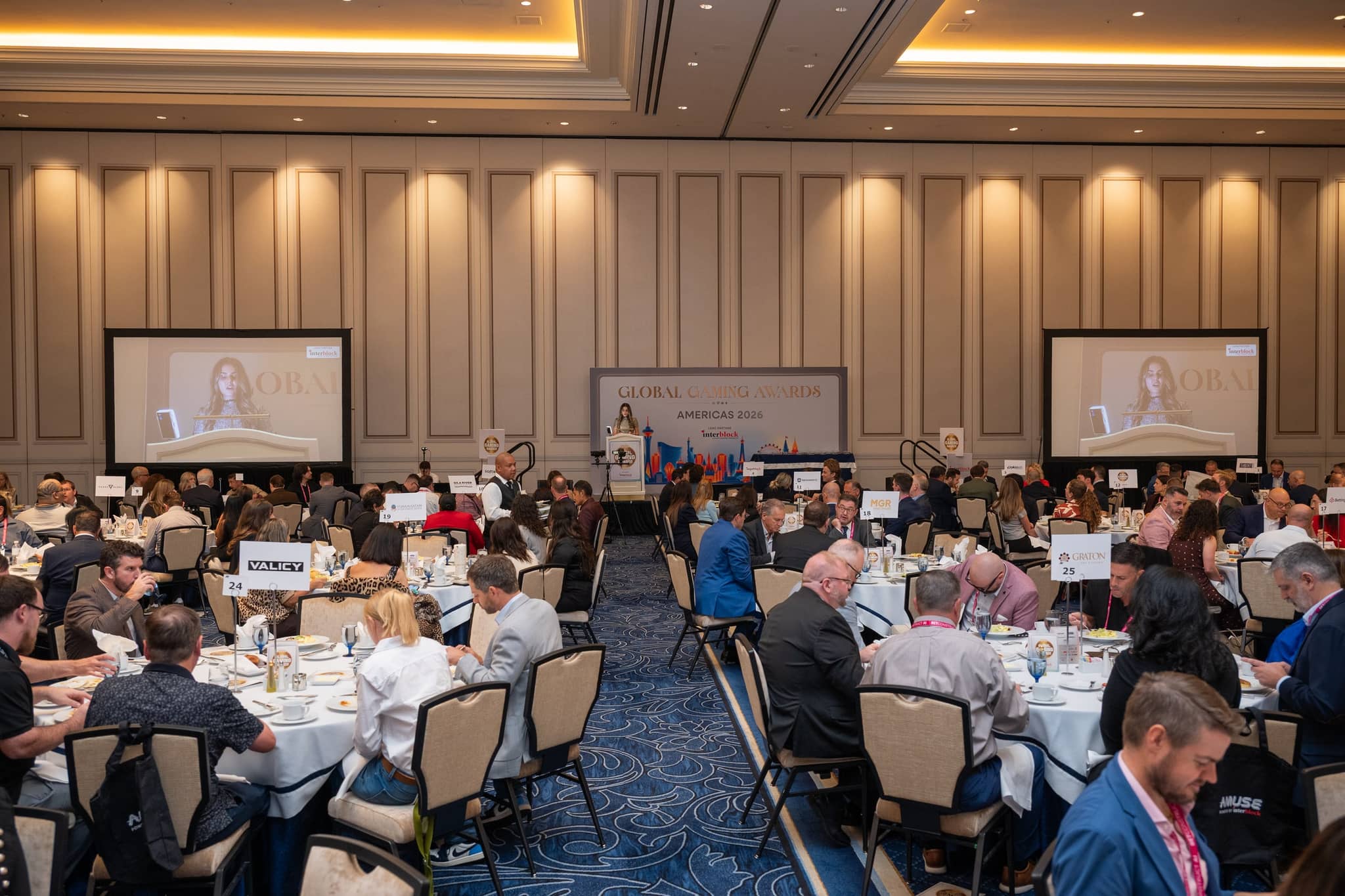
Hiring a conference photographer sounds simple enough until you realize that the person who did a great job shooting your company headshots might be completely out of their depth in a ballroom with 800 attendees, three breakout tracks, and a keynote stage with theatrical lighting. Conference photography is its own discipline, and in a city like Las Vegas where events run at a scale and pace unlike anywhere else, the gap between a capable photographer and the wrong one is enormous.
I’ve been shooting conferences at venues like the Las Vegas Convention Center, the Wynn, the Bellagio, and MGM Grand for years. Events like CES and NAB Show have taught me what works and what doesn’t when it comes to multi-day, multi-room conference coverage. This guide is built from that experience, designed to help you ask the right questions and spot the right signals before you sign a contract.
Look for Conference-Specific Experience
The first and most important filter is whether the photographer has actually shot conferences before. Not weddings, not portraits, not product photography. Conferences.
Why does this matter? Because conference photography requires a specific skill set that doesn’t transfer automatically from other types of work. You need someone who can read a room, anticipate a speaker’s gesture before it happens, and move between sessions without disrupting the audience. You need someone comfortable with low-light keynote halls where flash is not an option and where the lighting changes every few seconds as slides advance on screen.
When reviewing a photographer’s portfolio, look specifically for conference and event work. Ask them to show you images from a multi-session event, not just a single presentation. At events like CES, I’m often moving between three different halls in a single morning, switching from intimate roundtable discussions to packed keynote presentations with thousands of attendees. That kind of versatility only comes from doing it repeatedly.
What to Look For in Their Portfolio
- Keynote and stage shots that show clean composition even in challenging lighting
- Audience reaction photos that capture engagement, not just rows of heads
- Breakout session coverage showing the photographer can handle smaller, more intimate rooms
- Networking and candid moments between sessions in hallways and common areas
- Venue-wide establishing shots that show the scale and branding of the event
Key Questions to Ask Before Hiring
Before you commit, have a conversation that goes beyond rates and availability. These questions will tell you whether the photographer understands conference work.
What’s your turnaround time for edited images? Same-day social media selects matter for conferences. If a photographer can’t offer a batch of curated images by the end of an event day, you’re losing the window for real-time social engagement. I include same-day selects in Photo + Video Event Media, with an add-on available for Standard Event Coverage, because conference content loses relevance fast, and the full edited gallery follows within one to two weeks.
How many edited images should we expect? Full-gallery scope depends on your coverage brief and should be confirmed in the proposal. At RDNZ Media, same-day selects typically target 20–30 curated images, not a guaranteed count. They are included in Photo + Video Event Media or available as an add-on to Standard photography coverage, subject to availability.
How do you handle low-light keynote halls? This is a make-or-break question. Conference keynotes often feature dramatic stage lighting with dark audience areas. A photographer who relies on flash in these settings will disrupt the presentation and produce harsh, unnatural images. The right answer involves fast lenses, high ISO capability, and experience reading stage lighting patterns.
Do you scout the venue beforehand? Any experienced conference photographer will want to walk the venue before the event starts. At the LVCC, for example, the North Hall and West Hall have completely different lighting characteristics and ceiling heights. A pre-event walkthrough lets me identify the best shooting positions for each session room and plan my movement between spaces.
Do you bring backup gear? Equipment failure during a conference isn’t a matter of if but when. A professional conference photographer carries a second camera body, backup lenses, extra batteries, and additional memory cards. If your photographer shows up with one camera and one lens, that’s a risk you don’t want to take on a high-stakes event.
Red Flags to Watch For
Not every photographer who says they can shoot a conference actually can. Here are warning signs to watch for during the evaluation process.
No event-specific portfolio. If their portfolio is entirely weddings, studio portraits, or product photography, they may not have the conference chops you need. The skills don’t always translate, and your event isn’t the place for someone to learn on the job.
No pre-event consultation offered. A photographer who doesn’t ask about your event goals, shot priorities, or venue logistics before showing up is going to wing it. Conference coverage requires planning. If they don’t ask questions, they’re not thinking about your needs.
Vague deliverable timelines. “You’ll get your photos in a few weeks” is not an acceptable answer. Your marketing team needs images while the event is still fresh in attendees’ minds. Insist on a specific timeline with milestones: same-day highlights, full gallery within a set number of business days.
Stock-photo-heavy portfolio. If a photographer’s online presence is padded with stock images or heavily stylized shoots that don’t look like real event environments, dig deeper. You want to see authentic conference work in real venues with real lighting challenges.
What Experienced Conference Photographers Deliver Differently
The difference between a competent photographer and one who truly understands conference work shows up in the planning and the deliverables.
Pre-event planning call. I schedule a dedicated call with every conference client to review the event schedule, identify priority sessions and speakers, discuss brand guidelines for photo editing, and align on deliverable expectations. This call typically saves hours of confusion during the event itself.
Shot list collaboration. Rather than handing me a rigid shot list, the best approach is collaborative. You tell me what matters most to your organization, and I build a flexible plan around it. That might mean prioritizing the CEO’s keynote, capturing every sponsor activation, or focusing on attendee networking. The shot list becomes a guide, not a constraint.
Understanding of speaker moments vs audience engagement. Great conference photography isn’t just pointing a camera at whoever’s on stage. It’s knowing when to capture the speaker’s decisive gesture, when to pivot and shoot the audience’s reaction, and when to pull back for an establishing shot that shows the full room. This instinct comes from experience, not from reading about it.
Multi-room coverage strategy. At multi-track conferences, you can’t be everywhere at once. An experienced photographer builds a coverage plan that prioritizes high-value sessions while ensuring every room gets documented. I typically review the full event schedule in advance and map out a movement plan that maximizes coverage without sacrificing quality in any single session.
Delivery planned around your deadlines. Full edited photo galleries arrive within one to two weeks. If your team needs content during the conference, book same-day selects through Photo + Video Event Media or the Standard photography add-on. Multi-day delivery schedules are scoped in your proposal.
Ready to Hire the Right Conference Photographer?
Finding the right photographer for your Las Vegas conference doesn’t have to be complicated. Focus on conference-specific experience, ask the right questions, and trust your instincts when something feels off. The right photographer will make your event look as good as it felt to attend.
If you’re planning a conference in Las Vegas and want to see how professional coverage works in practice, take a look at our conference photography service. And if you’re also exhibiting, check out our trade show exhibitor photography checklist for a practical guide to maximizing your booth coverage. For a sense of what to budget, see our event photography pricing guide or the current rate card. Conference coverage is part of our corporate event photography work, and when you’re ready to talk dates, get in touch.
The right photographer doesn’t just document your conference. They capture the moments that tell the story of why it mattered.