
How to Choose a Trade Show Photographer in Las Vegas
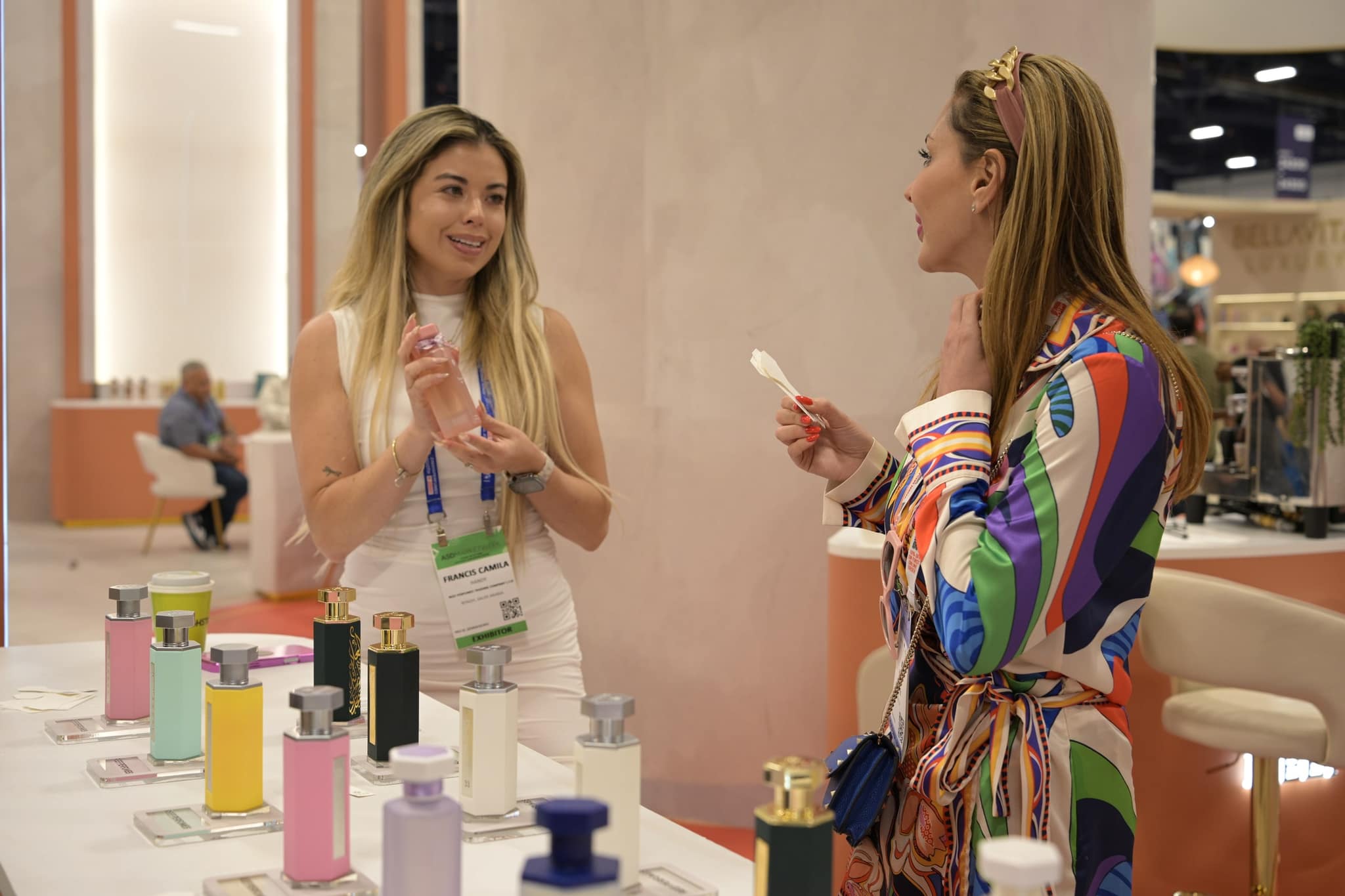
Your trade show photography should reflect what your team needs to accomplish: document the booth, capture product demonstrations, support press coverage, or bring back images for sales and marketing.
When comparing photographers in Las Vegas, look for evidence that they can plan around those priorities and deliver the right material. These seven checks will help you evaluate their work, compare proposals, and choose coverage that fits your show.
1. Ask how they would plan your coverage
Before recommending hours or crew, a photographer should understand your booth schedule, key people, and intended uses for the images.
Consider a typical planning challenge: you need clean booth photos before opening, a product demonstration covered at 10 a.m., and an executive portrait before that person leaves at 10:15. Ask how the photographer would arrange those priorities and what happens if the schedule changes.
A useful proposal should identify the essential coverage windows, access requirements, and any overlapping moments that need another operator. For multi-day shows, it should explain what each day adds to the final gallery.
Our Las Vegas trade show photography coverage starts with a shot plan built around your booth, schedule, and marketing priorities.
Ask: “Based on our schedule, which coverage windows do you recommend, and where might we need additional crew?”
2. Review a complete gallery from a comparable assignment
A highlight portfolio shows a photographer’s strongest images. A complete client gallery helps you assess how consistently they cover an assignment.
Look for readable branding, accurate product color, clear faces under mixed lighting, and a useful variety of wide shots, details, and interactions. Check whether the gallery documents the client’s priorities throughout the event.
The closest comparison is work with similar demands. If you need exhibitor coverage, ask for a booth-focused gallery. If your program includes presentations and networking across several rooms, look for examples with that scope.
Ask: “Can you share a complete gallery from a trade show with coverage needs similar to ours?”
3. Confirm who will lead the assignment
Know who is responsible for your coverage before show day. Ask whether the work you reviewed represents the photographer assigned to your event, how they receive your brief, and who handles changes on-site.
For larger programs, a coordinated team may be the right fit. Confirm each person’s role, how photography and video responsibilities are divided, and how the team maintains continuity across multiple days.
It is also worth asking what happens if the assigned photographer becomes unavailable. Clear responsibility includes a plan for unexpected changes. Ask how they handle equipment failure during coverage and back up your images afterward.
Ask: “Who will lead our coverage, how will they be briefed, and what is the backup plan?”
4. Look for practical Las Vegas show-floor experience
Venue familiarity is most useful when it translates into a workable plan. Ask how the photographer approaches access, movement between locations, mixed lighting, and scheduled demonstrations.
For events at the Las Vegas Convention Center, The Venetian Expo, or Mandalay Bay Convention Center, share your specific hall and booth location. Discuss when the team can enter, when the booth will be ready, and which permissions need to be arranged.
Trade show lighting can mix different colors and change unpredictably. We often cannot assess the full conditions until we arrive on-site. Your team is not expected to know what the lighting will be like or how to handle it. That is our responsibility: we assess the light, adjust our camera settings on-site, and draw on our experience to adapt as conditions change.
Listen for specific questions about your assignment. A photographer who asks about the demo schedule, reflective product displays, or the distance between your booth and speaking session is identifying details that affect coverage.
Ask: “What access and scheduling details do you need from us before the show?”
5. Compare the complete scope and price
Compare proposals against the same brief. Confirm coverage hours, crew, editing, expected deliverables, usage terms, and delivery dates. Ask how extra time or changes to the schedule are handled.
At RDNZ Media, Standard Event Coverage for photography or videography includes a two-person team. Each rate below covers both team members:
- $600 per hour for the two-person team, with a two-hour minimum.
- $2,200 for four hours with the two-person team.
- $3,800 for eight hours with the two-person team.
Standard commercial usage is included. Multi-day and complex programs receive a custom proposal. See our current event media pricing for package details and optional additions.
Tell the photographer how you intend to use the material, including any distribution to sponsors or other partners. Have those uses confirmed in the proposal so you can compare offers accurately.
Ask: “Does this proposal cover our required hours, deliverables, intended uses, and deadlines?”
6. Separate immediate highlights from the finished gallery
Decide which images your team needs during the show and which can arrive afterward.
If your marketing team plans to publish while the event is running, agree on the priority subjects, delivery window, and person who will receive the images. A press deadline may require a different selection from a general social media update.
At RDNZ Media, full edited photo galleries arrive within one to two weeks. Same-day photo selects are available with Standard photography coverage, subject to availability, for $600 on day one and $400 each additional day. They are included in Photo + Video Event Media.
Same-day photo selects typically include 20–30 curated images. This is a planning target, not a guaranteed count; delivery details are confirmed before the show.
Ask: “Which images can you deliver during the show, by what time, and when will the full gallery arrive?”
7. Add video when you have a clear use for it
Video can support product demonstrations, event recaps, and customer interviews. Decide what your team will publish before adding it to the brief.
A recap built from show-floor footage has different requirements from an interview-led film. Discuss audio, interview scheduling, finished length, formats, editing, and delivery. Ask who will continue photographing your booth while video is being captured, especially when demonstrations and interviews overlap.
RDNZ Media’s Photo + Video Event Media pairs photography with dedicated video coverage. See our event media packages for rates and included deliverables.
For an example, watch the Cisco Spaces at Cisco Live 2026 highlight on our corporate event photography and video page.
Ask: “What finished video would serve our goals, and what crew and schedule does it require?”
Before you request a proposal
Send your show name, dates, venue, booth location, and any fixed demonstrations or speaking sessions. Include the people and products that must be photographed, your intended uses, and any delivery deadlines.
If you are still deciding what belongs in the brief, use our trade show exhibitor photography checklist to organize your priorities.
That gives a photographer enough context to recommend coverage and explain where your budget will have the most value.
Plan your Las Vegas trade show coverage
Planning a Las Vegas trade show? Send us your show dates, booth location, and must-capture moments. We’ll recommend coverage around your schedule.